




Start with the scale, not the price tag. Here’s why D Kurd is the gold standard for beginners.
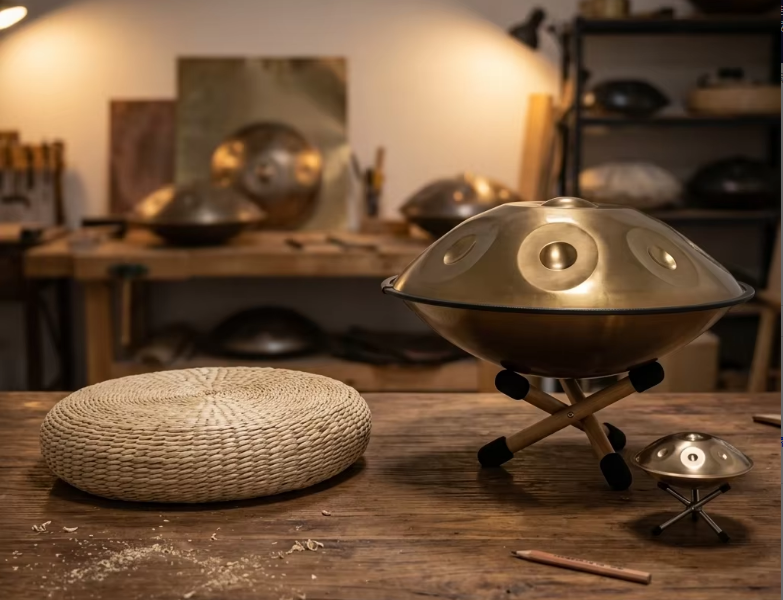
If you’re shopping for your first handpan, you’ve likely heard one piece of advice over and over: choose D Kurd (D minor). But is it really the best choice, or just the default answer? Let’s cut through the noise.
Why D Kurd Tops the List
The D Kurd scale is the most widely used tuning in the handpan world—and for good reason. Its D minor scale is naturally warm, mysterious, and deeply relaxing. But the real advantage for beginners is practical: most learning materials, online tutorials, and sheet music are built around this scale. You’ll find far more resources for D Kurd than any other tuning.
Better yet, the note arrangement makes it nearly impossible to hit a “wrong” note. The scale is harmonically forgiving, so even random playing sounds musical—perfect for building confidence. As one guide puts it, simply put, any beginner can create beautiful melodies that always work well together.

But Wait—What About Other Scales?
Do you have strong music theory knowledge, access to a private teacher, and a clear vision of the style you want to play? Then you might skip D Kurd. But for most beginners, the safe bet is still D Kurd. Other tunings often require custom orders, making them harder to sell if you change your mind later.
Material Matters Too—But After the Scale
Once you’ve settled on D Kurd, consider material:
Stainless steel delivers long sustain and a meditative, melodic tone—ideal for slow, relaxing playing
Nitrided steel offers a crisp, percussive sound with shorter sustain—great for fast, rhythmic music
Phoenix/Ember steel strikes a balance between the two
The Golden Rule
Here’s the most important advice: come in and try it for yourself. Videos and spec sheets can’t replace the feeling of striking a handpan with your own hands. Trust your ears, not the numbers. Your first handpan should feel right to you—not just look good on paper.


