




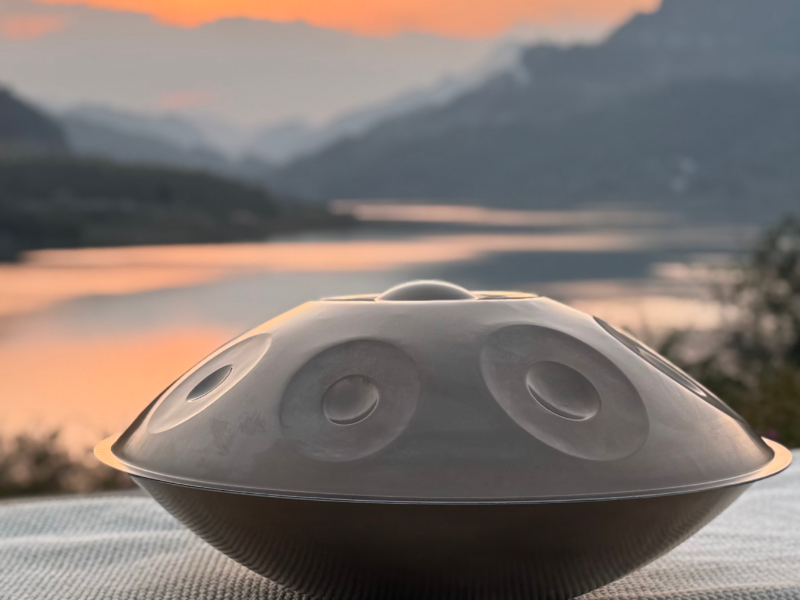
Over the past decade, the handpan—a UFO-like instrument with ethereal, bell-like tones—has become a global phenomenon. But why are people willing to wait months for a customized handpan or pay a premium for a fully handmade instrument?
1. Instant Gratification
No music degree required. The handpan’s circular layout means even a light tap produces a lush, resonant sound. In a noisy world, it offers calm from the very first touch.
2. Emotional Scales: D Kurd & D Celtic
The scale is the soul of a handpan. D kurd—the world’s most popular scale—combines deep bass with a minor, longing melody, perfect for cinematic or melancholic soundscapes. D celtic is brighter and folk-like, playful and full of stories. Players choose scales that become an extension of their inner voice.
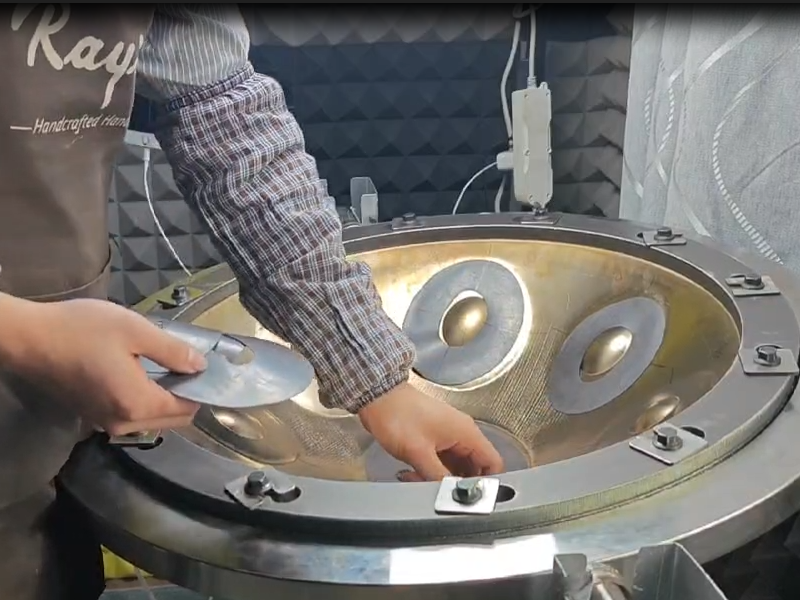
3. Fully Handmade & Customized
Every handpan is fully handmade—no assembly lines. Skilled makers hammer each note over days or weeks, so no two instruments are alike. A customized handpan lets you choose scale, number of notes (9–21), and aesthetics. Leading brands like Raysen handpan offer custom builds at accessible prices. You’re not just buying an instrument—you’re commissioning a voice.
4. Portability & Visual Magic
Small enough to carry in a hard case, the handpan’s dimpled, symmetrical glow turns heads. Buskers, therapists, and photographers all love its otherworldly beauty.
5. Meditative & Therapeutic Qualities
Unlike drums or guitars, the handpan sings with a soft attack and long, shimmering decay. Its “liquid” sound aligns with alpha brainwaves, making it ideal for yoga, sound baths, and music therapy for anxiety and PTSD. It gently envelops the listener.
6. Makers Like Raysen Handpan
Early handpans cost $5,000+. Today, Raysen handpan democratizes the instrument while keeping the fully handmade ethos. Their D kurd, D celtic, and custom models offer professional tuning and beauty at a fraction of the price.
Final Thoughts
The handpan’s popularity isn’t a trend—it reflects our craving for simplicity, beauty, and peace. Whether you’re drawn to D kurd, D celtic, or a customized handpan from Raysen, you’re reclaiming the joy of sound—one soft tap at a time.
Which scale resonates with you? Share with Raysen below!
Previous: How to Choose the Tibetan Singing Bowl: A Beginner’s Guide
Next:


